
Multinational Initiative for the Development of Thinking
MIND Network
Understanding how children think, learn, and understand others — across cultures, across continents.
About MIND
A global community for child development research
The MIND Network is an international research initiative investigating how children develop thinking, reasoning, and social understanding across different cultural and educational contexts. We bring together researchers from partner countries to develop research questions, adapt methods, collect and interpret data, and publish findings collaboratively.
Our work focuses on understanding both shared patterns of development and the ways in which family environments, educational systems, teaching practices, and cultural experiences shape children’s learning and cognition. MIND is designed as a long-term collaborative network in which international partners contribute to all stages of the research process, from study development to publications, training, mobility, and new joint projects.
The network is coordinated by Prof. Dr. Christopher Osterhaus at the Developing Minds Lab, University of Vechta, Germany.
What We Study
Our Research Themes
MIND studies children’s thinking and learning across diverse cultural and educational contexts worldwide.
Scientific Reasoning
How children develop the ability to form hypotheses, design experiments, and draw conclusions — and how this capacity varies across cultures and educational settings.
Learning & Cognitive Development
How core cognitive abilities — including memory, attention, and executive function — develop in children and interact with formal and informal learning experiences.
Social Cognition & Theory of Mind
How children come to understand others’ thoughts, beliefs, and intentions, and which factors shape this development across different family, social, and cultural contexts.
Family & Educational Contexts
How family environments, parenting practices, and schooling shape children’s cognitive and social development across diverse international settings.
Across these themes, we ask which developmental patterns are shared across cultures and which are shaped by particular family, educational, and cultural contexts.
Worldwide
A global research network
MIND brings researchers together across continents to study child development as one connected, cross-cultural story.
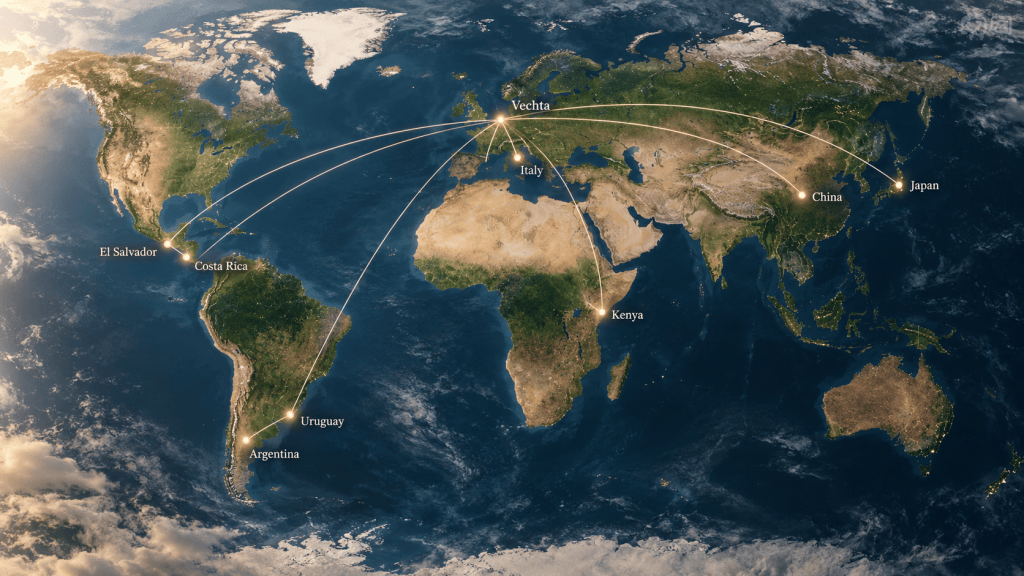
Growing across countries · connected by shared questions
🇩🇪 Germany
🇯🇵 Japan
🇦🇷 Argentina
🇸🇻 El Salvador
🇨🇷 Costa Rica
🇺🇾 Uruguay
🇮🇹 Italy
🇨🇳 China
🇰🇪 Kenya
In the Field
Current Projects
ESCoLAR Framework
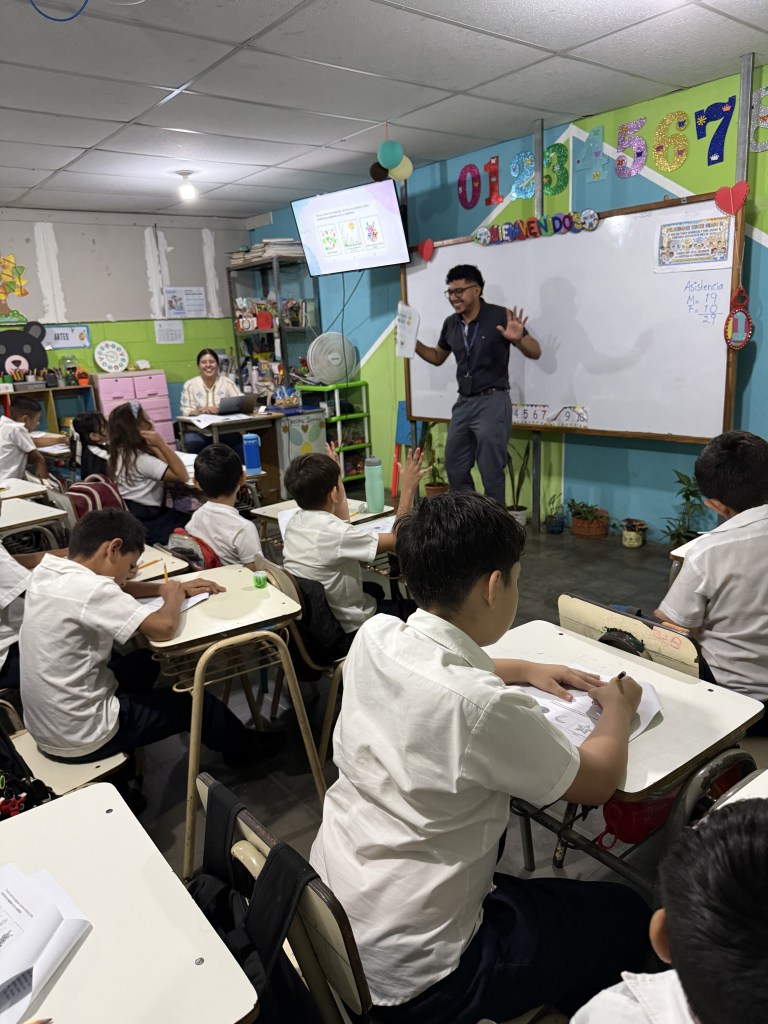
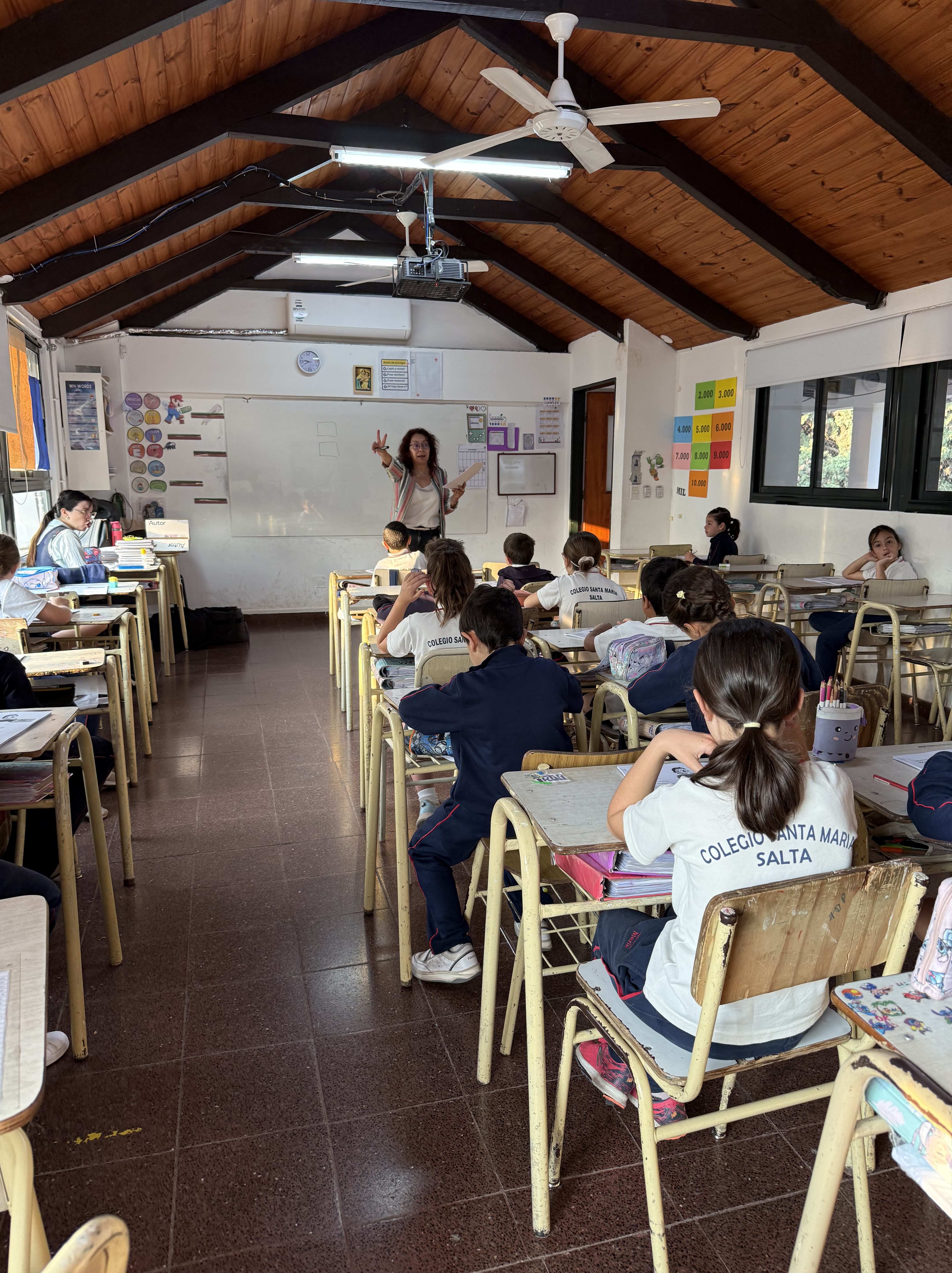
Studying children’s scientific reasoning, social cognition, and cognitive development across four Latin American countries.
Active Research Program
MIND China
Examining children’s executive functions and how family environments and parenting relate to cognitive development in China.
In Development
Japan-WISE
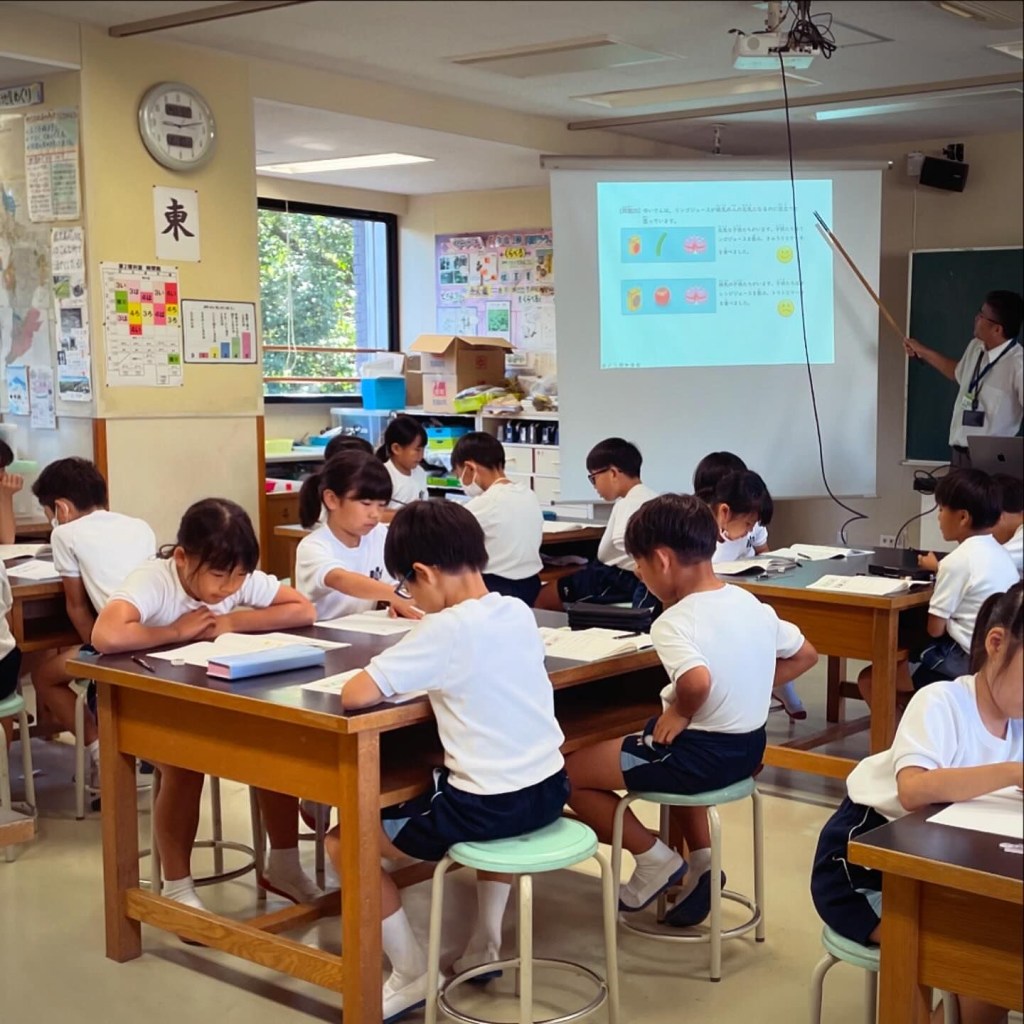
Exploring scientific reasoning and cognitive development in collaboration with Kagoshima and Osaka Shoin Women’s University.
Active Research Program
MIND Kenya
An emerging study examining social-cognitive and scientific-reasoning development in Kenyan educational contexts, focusing on inquiry-based learning.
In Development
Get Involved
Join the MIND Network
We welcome researchers, institutions, and partners who share our commitment to understanding child development across cultures. Whether you are an established research group or an emerging team, there is a place for you in MIND.
 MIND Network