
OUR RESEARCH
Research Projects
The MIND Network investigates how children develop across cultures — their thinking, learning, and social understanding. Our projects connect researchers from universities, schools, and communities around the world, grounded in a shared framework and driven by genuine curiosity about human development.
CORE FRAMEWORK
The ESCoLAR Framework
ESCoLAR, Early Science Competence Leads to Advanced Reasoning, is a comparative research framework within the MIND Network that examines how children’s scientific reasoning develops across cultural and educational contexts. A major focus is the comparison of children in different Latin American countries, including Argentina, Costa Rica, El Salvador, and Uruguay, while also connecting these findings to international studies in other parts of the world. ESCoLAR investigates how differences in educational systems, classroom experiences, teachers, and parental beliefs and practices may shape children’s reasoning and development.
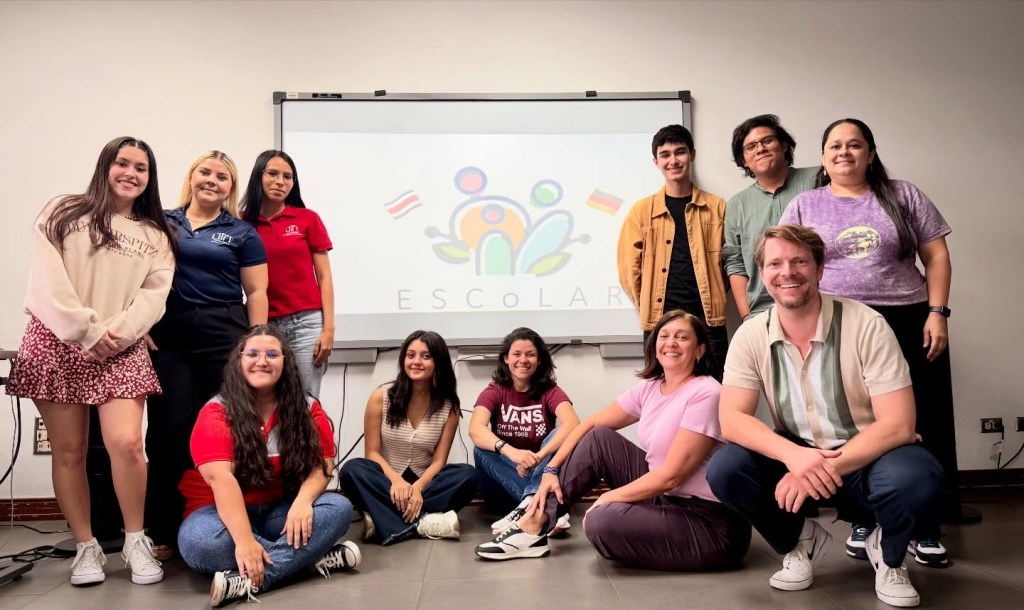
Members of the ESCoLAR Costa Rica team with Prof. Christopher Osterhaus during the MIND Network collaboration in Costa Rica.
JAPAN
Japan-WISE
Japan-WISE examines how culture and parenting influence children’s social cognition and scientific reasoning. In collaboration with Kagoshima University and Osaka Shoin Women’s University, the project explores how family and cultural contexts shape children’s developing understanding of others, evidence, and reasoning.
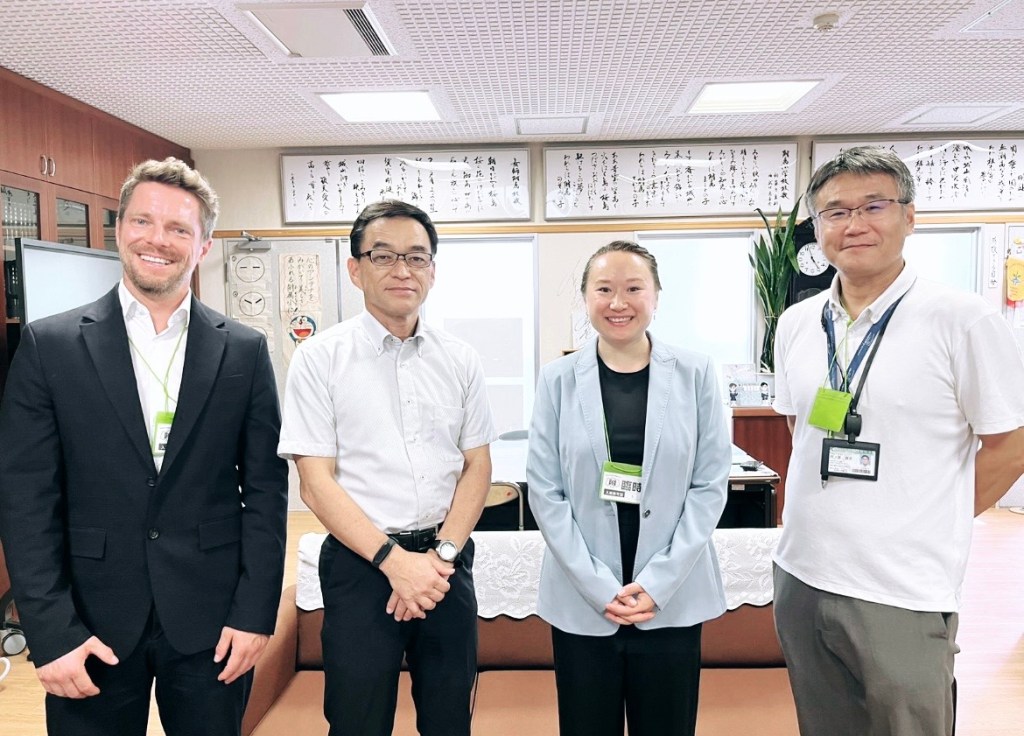
Prof. Christopher Osterhaus with members of the Japan-WISE research team at Kagoshima University.
CHINA
In Development
MIND China
MIND China investigates children’s executive functions and the role of family-related factors in cognitive development. The project is currently being developed with partners in China and will examine how aspects of the family environment, including parental beliefs, practices, and experiences, relate to children’s developing self-regulation and cognitive abilities.
KENYA
In Development
MIND Kenya
MIND Kenya examines how instructional practices and educational contexts shape children’s scientific reasoning and social understanding. In collaboration with Dedan Kimathi University of Technology, the project explores the role of inquiry-based learning within Kenya’s Competency-Based Curriculum.

